
CAMBRIDGE INTERNATIONAL recognizes Sarasota County School District for excellence naming them School District Of The Year for medium size U.S. school districts!
Sarasota Herald-Tribune Article – April 2019
CAMBRIDGE INTERNATIONAL recognizes Sarasota County School District for excellence naming them School District Of The Year for medium size U.S. school districts!
Sarasota Herald-Tribune Article – April 2019

U.S. News and World Report 2019 Best Cities To Live
Sarasota makes the list and is the highest ranking in Florida
https://realestate.usnews.com/places/florida/sarasota

Terrific video depiction of the new, coming soon, Sarasota Memorial Hospital in Venice on Laurel Road and Pinebrook adjacent I-75 interstate exchange – gateway to Nokomis and North Venice!
Click on this link to view – wow!
Sarasota Herald-Tribune Article – April 5, 2019

Sarasota Memorial Hospital Site
Sarasota Herald Tribune – January 15, 2019

Both Venice Regional Bayfront and Sarasota Memorial Hospitals are constructing new hospitals in the Nokomis/Venice area of Sarasota County. This is very good news for area residents!
https://www.heraldtribune.com/news/20190115/sarasota-county-commission-approves-venice-regional-hospital-site

THE LEGACY TRAIL continues to grow and expand in segments. The popularity of this ‘lineal park’ is 2nd only to Sarasota County beaches. Many home buyers are including in their neighborhood criteria easy access to the trail.
This article below was published by the Sarasota Herald-Tribune on February 1, 2019
https://www.heraldtribune.com/news/20190201/legacy-trail-extension-coming-into-focus
Very good and interesting article from the Sarasota Herald-Tribune, May 3, 2018
Home sellers need to understand that buyers today have access to more information and are more educated and savvy than ever before.
As a result, today’s buyers tend to be more cautious. One small issue that they see with the condition of the home could raise red flags about potential major problems lurking behind the walls. They may second-guess their interest in the home, asking themselves: What is my assurance this won’t reoccur in the future? Is this issue indicative that the home has more than its fair share of problems? How much money and aggravation might this issue cause me down the road?
Ultimately, they may talk themselves out of purchasing the home.
It’s best to take extra special care of your home long before you even consider putting it on the market. Here’s how to see your home with a buyer’s eye so you can avoid problems that may scuttle a sale in the future:
Repairs: When you are addressing a home repair issue as a homeowner, anticipate questions in the future and try to resolve the issue in a manner that would give comfort to a prospective buyer. For example, if you are fixing a small crack in your foundation, consult the original builder to see if you can find out what happened and why (you might even find out that it is covered by the builder’s warranty). When you have the repair corrected, make sure to have the contractor doing the work prepare a detailed (and legible) invoice that explains the issue and the work done to correct it. The “gold standard” is to get a transferable warranty that you can give to the next owner.
Boundaries: In preparing to list a home for sale, one of the things we ask from our seller clients (townhomes, rowhouses and single-family detached) is a copy of the plat (AKA survey). This is a document that they likely received at the time they purchased the property and is with their original closing papers. Anytime you or your neighbor put in a fence, driveway or other landscaping/hardscaping feature, make sure it is on the correct property. If there is an encroachment (even a little bit), you will want to consult an attorney. There is often a simple legal solution at the time the encroachment occurs (e.g., recording an easement, sending a simple “permission” letter, etc). Encroachment issues are potentially big deals at settlement causing delays and costs, and in some cases, the deal to fall apart.
Permits: Whether a particular job needs a permit seems to have different interpretations. It’s best to err on the side of caution and get a permit. Certainly, if there is a significant repair or if you are going to advertise something as a feature of your home, the work should have been permitted. Cutting a corner to avoid permitting might sound like an attractive way to save money today, but it will likely cost you more in the long run.
Water: Water issues result in some of the most costly home-inspection items we see. Water issues can result in a whole host of problems, including foundation issues, mold and roof problems. The good news is that water issues can be avoided relatively inexpensively if you are vigilant and proactive. Keep your gutters clean and make sure your downspouts empty away from your foundation. Make sure the ground around the perimeter of your home slopes away from the foundation. When a home is constructed, the builder will dig out a big hole, pour a foundation and then fill in the empty surrounding space with fill dirt, hopefully with a proper slope away from the foundation. Because that soil is loose, it tends to settle over time creating a negative slope toward the foundation. Since this happens gradually over years, most homeowners don’t notice the problem until they discover they have a water problem in their basement.
Etc.: Make sure your caulking and roof flashing are in good shape. Make sure your air conditioning condensate drain lines are clean and you have a backup system that alerts you when they are activated. Make sure your dryer vent is clean and blows the hot moist air outside and not into your attic or between walls. Make sure all tree limbs, bushes and other foliage are not touching the house (at least a foot clearance is recommended).
Paperwork: As you acquire paperwork related to your home, ask yourself: “Is this something a future owner might want/need?” Whether it be a plat, manual, architectural drawing, irrigation system map, copies of contractor invoices and permits — it’s best to keep it. For tax purposes, you’ll want to keep track of your capital improvements to the property.
—Steve and Hans Wydler co-lead the Wydler Brothers real estate team affiliated with Long & Foster in Bethesda, Md., and McLean, Va., and are authors of “Inside the Sell: Top Agents Reveal Unspoken Secrets and Dangers of Buying and Selling Your Home.”
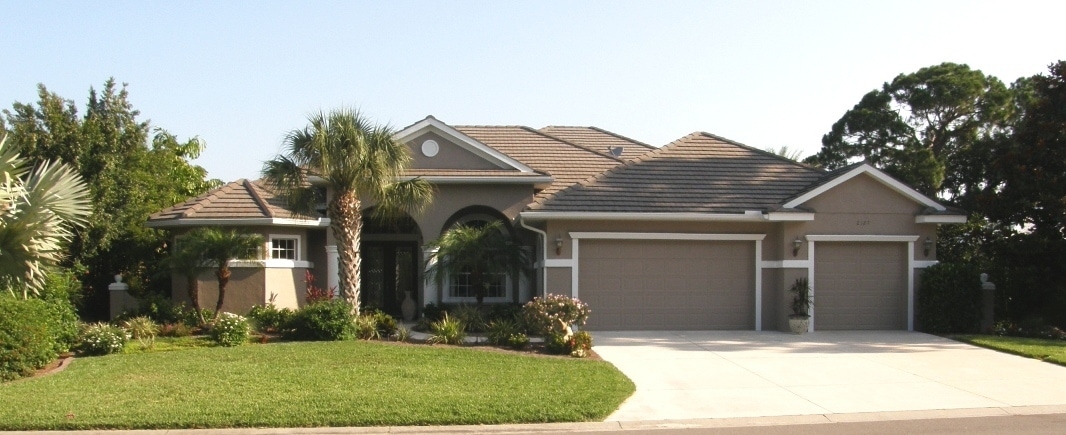
The Sarasota Herald Tribune did a feature on Mission Valley and Mission Valley Estates in Nokomis.
https://www.heraldtribune.com/news/20190119/market-snapshot-mission-estates-and-mission-valley-estates
[momentopress url=https://momento360.com/e/u/5d1c529ad60745b8938b26d2d926fd40?utm_campaign=embed&utm_source=other&utm_medium=other&heading=0&pitch=0&field-of-view=100]
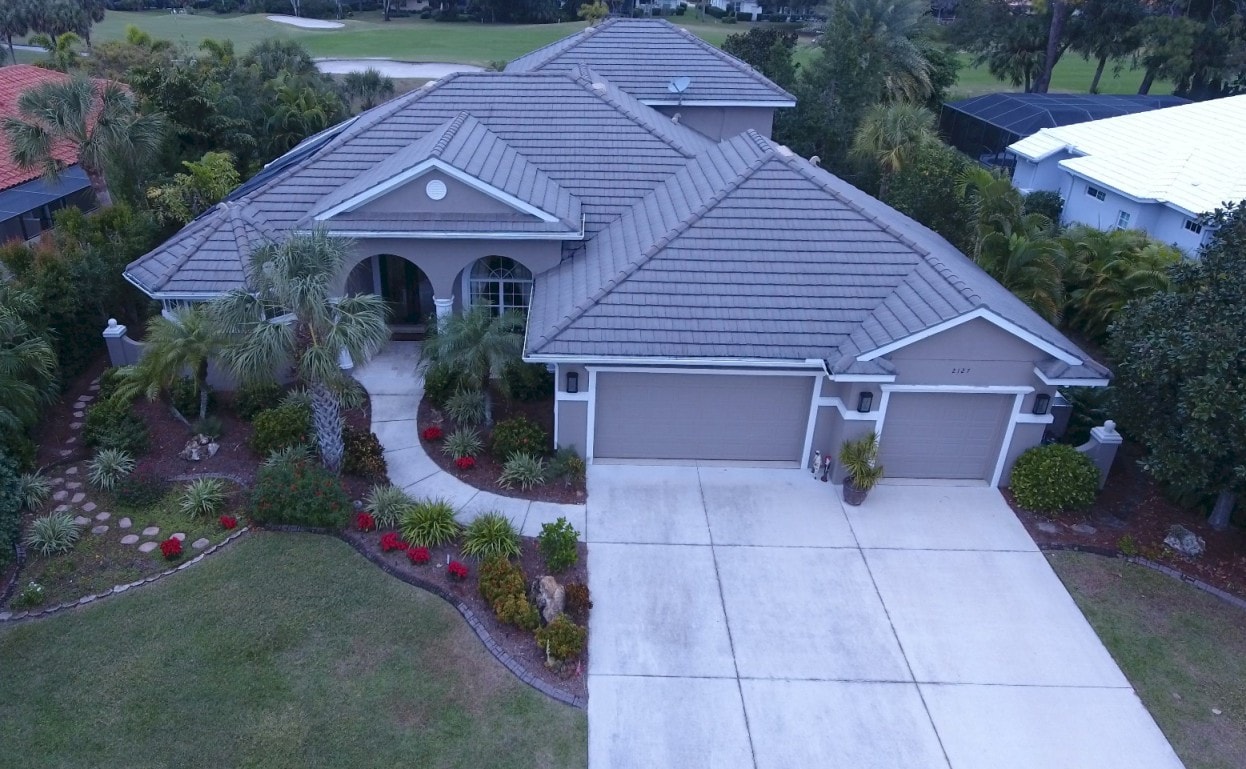
We routinely employ drone video and 360 photography in marketing our properties!
If you are considering selling your home, please give consideration to contacting one of our agents prior to making a final decision in broker selection. It’s our top priority to earn more money for you! We are a Sarasota County locally owned and operated company, we have ZERO company fees and strive to have the most competitive expenses to our sellers among all of our full service competitors. Being locally owned and operated we absolutely have the ability/flexibility and priority to customize your sale to meet your goals and expectations.
Service, satisfaction and excellence are our core values and top priority!
Inviting Realtors to conduct a COMPARATIVE MARKET ANALYSIS (CMA) on your home is a logical early step in preparing for the sale. At this time you can also learn their respective strategies for marketing your home. Selling property in today’s market typically should include
A CMA will provide information on previous sales within your market area (critical), as well as, other properties currently on the market – i.e. the competition. This CMA is intended to provide information to price your property. Ideally, pricing should be a collaborative process involving the real estate professional and the homeowner.
Beware of the sales tactic of “buying the listing” via the recommending of too high of a listing price. Overpricing will place your property at a disadvantage when it is initially listed – the time when your property is most attractive for realtors to show and buyers to see. Later, when you lower the price of your property, it will have lost the initial appeal of a new listing and is unlikely to capture the attention of many realtors and potential buyers – the excitement of “newly available” is gone!
Ultimately, overpricing your property will add stress to your home selling experience – already an often stressful life event. It may also result in a lower sales price than if it were priced appropriately right from the start. Properties that have been reduced in price and have been on the market awhile capture the attention of bargain hunters with low offers.
Summary:
1. Select an agent based upon a successful track record and marketing plan vs. listing price.
2. Have your selected agent provide you with data to appropriately price your home. Pricing your home right initially captures the greatest number of potential buyers when the enthusiasm is greatest – when it is first listed – this is critical!!!
Advantages of pricing your home right are: